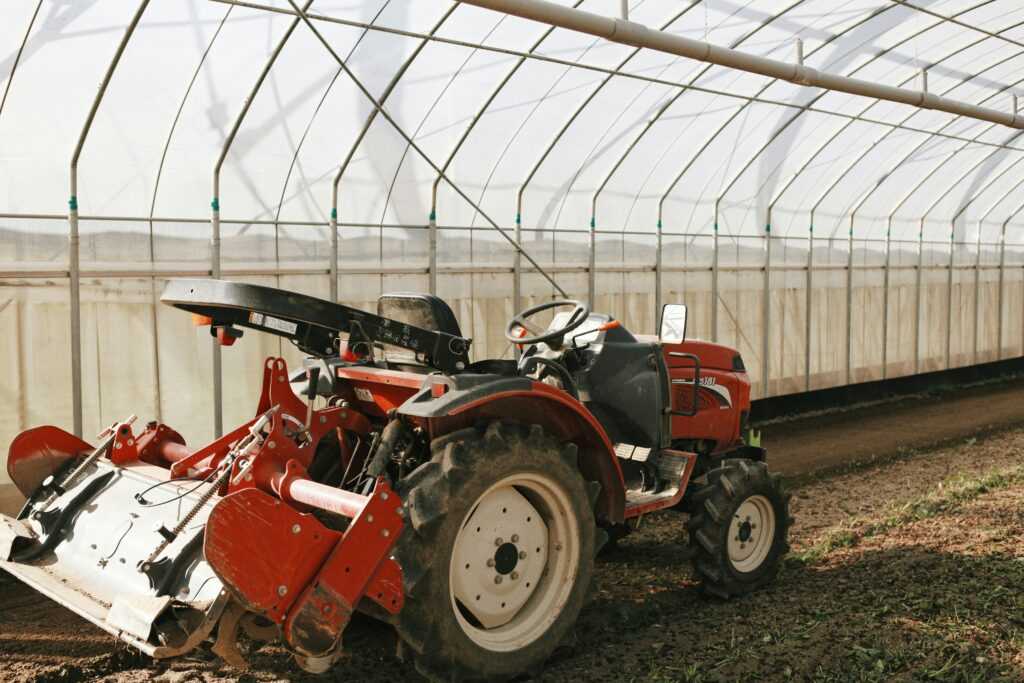
The Farming Shift: From Traditional to Connected
Farming doesn’t look like it used to. Tractors still roll through fields, but now they’re running alongside drones, sensors, and connected devices feeding live data to the cloud. Agriculture is undergoing a digital transformation and not just for the sake of innovation. It’s about survival, efficiency, and staying competitive.
Modern farmers face a gauntlet: unpredictable weather, shrinking labor forces, rising input costs, and intense demand for higher yields with fewer resources. Traditional methods can’t keep up. That’s where IoT steps in offering tools that collect, transmit, and act on data in real time.
From moisture sensors that help avoid overwatering to GPS guided tractors that prevent wasted seed, the timing for this shift couldn’t be better. Technologies that once felt out of reach are now affordable and accessible. And as rural connectivity improves, the smart farm is quickly becoming the new baseline.
Key Technologies Powering Smart Farming
Farming, once guided by gut instinct and decades of tradition, is now being fine tuned by real time data and automated tools. At the core of this transformation are devices doing quiet but critical work.
Sensors are where it all starts. Buried in soil or attached to crops, they’re tracking moisture levels, temperature, and plant health around the clock. These small, durable tools are giving farmers the heads up they need to water less, protect more, and act faster when conditions change.
Then there’s GPS and drone tech. We’re not talking about flyovers for fun. Drones are mapping acres down to square inches, inspecting crops for early signs of disease, and even spraying pesticides with surgical precision. Add GPS into the mix, and fields become data rich maps helping farmers plan rows, routes, and harvests with near perfect accuracy.
Automation shows up in the day to day grind. Smart irrigation systems know when to water and how much, based on data pulled from both the ground and the sky. Livestock monitoring tools can track the heat cycles, health, and movements of entire herds without the farmer ever leaving the house. Lighting and indoor climate systems are doing similar work in greenhouses, cutting down labor and electricity waste.
All of these tools live under the IoT umbrella and their real power lies in the chain they form together. It’s tech that works quietly and nonstop, so farmers can focus on bigger decisions with better info.
Real World Impact of IoT in the Fields
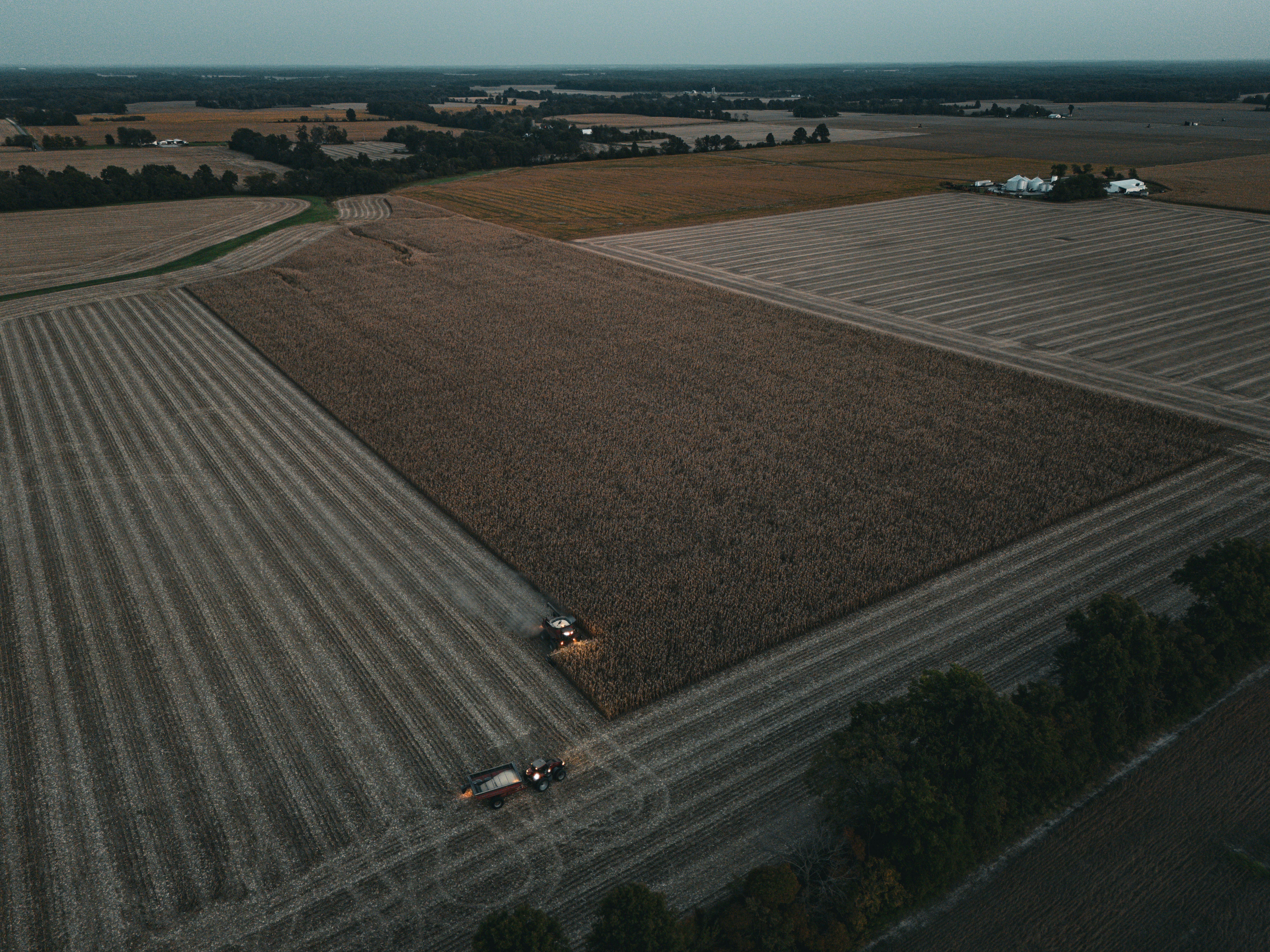
Precision farming isn’t just a buzzword it’s how modern farms stay efficient and profitable. Using sensors, GPS, and real time data, farmers can apply water, fertilizer, and pesticides exactly where they’re needed. No more blanket coverage. No more waste. Just tight control.
This targeted approach translates into higher crop yields and lower input costs. Instead of working more, farms work smarter. Waste drops. Output climbs. Margins improve especially in turbulent seasons where every input counts.
On top of that, predictive maintenance tools track wear and performance of machinery before something breaks. Downtime drops. Repairs are scheduled. Operations flow.
Smart farming isn’t hypothetical. It’s happening now. The tools are in the field, and they’re already changing how farms run day to day.
(Explore more on IoT in farming)
Data: The New Crop
Data has become one of the most valuable resources in modern agriculture. With smart sensors and connected devices covering every corner of the field, farmers are harnessing real time insights to make faster, more accurate decisions.
Smarter Decisions Through Real Time Analytics
Instant access to field data allows farmers to monitor and respond to changes as they happen no more waiting until the end of the season to evaluate what worked.
Monitor crop and soil conditions continuously
Detect early signs of stress, pests, or disease
Adjust irrigation and fertilization based on current field needs
By using dashboards and mobile apps, farmers can make tiered decisions: operational (today), tactical (this week), and strategic (for the season).
IoT + Weather Forecasting = Better Planning
Weather is one of the most unpredictable variables in farming but combining IoT with localized forecasting models gives farmers a new advantage.
On site microclimate monitoring through weather stations
Automated alerts for frost, heatwaves, or rainfall
Optimize planting and harvesting schedules based on near term forecasts
This synergy between weather prediction and real time data reduces guesswork and enhances timing across daily operations.
The Role of Cloud Computing
Behind every smart farm is a backbone of cloud infrastructure. Processing and storing massive datasets locally would be cost prohibitive cloud computing handles the heavy lifting.
Seamless data storage and access from anywhere
Integration across devices, platforms, and applications
Scalable solutions that grow with the farm’s needs
Cloud services also enable machine learning applications, where insights from one farm can inform broader patterns benefiting entire regions.
As farms continue to digitize, data is no longer just a byproduct it’s a primary input in the agricultural equation.
Barriers and Breakthroughs
Smart farming sounds great until your field has no signal. Connectivity remains one of the biggest roadblocks for rural operations. Many farms still operate in dead zones where consistent access to 4G, let alone 5G, is spotty or nonexistent. IoT devices need bandwidth to communicate, so when the connection cuts out, so does the flow of real time data.
Data privacy is becoming another hot button issue. With tractors, drones, and soil sensors collecting thousands of data points daily, questions are popping up fast: Who owns this data? How is it stored? Can it be sold or shared without consent? Farmers are starting to push back, demanding transparency from tech providers and more control over their digital operations.
The good news: solutions are gaining traction. Agritech startups are focusing on localized networks with long range, low power protocols like LoRaWAN. Governments are stepping in too, investing in rural broadband and providing grants to get smaller farms online. It’s not perfect yet but the gap is closing, slowly and steadily.
Smart ag can’t be truly smart until the entire system no matter how remote is connected and protected.
What’s Coming Next in Smart Farming
As smart agriculture matures, it’s clear the innovations aren’t slowing down. The next wave of transformation will emphasize automation, transparency, and decision making powered by data and machine learning. Here are the drivers taking agriculture into the future:
AI Driven Decision Tools
Artificial Intelligence is moving from experimental to essential on modern farms. These systems analyze a wide range of input weather data, soil metrics, crop images to recommend highly accurate actions.
Early disease detection through image recognition
Predictive irrigation schedules based on historical patterns and real time data
AI led crop planning to optimize yield based on seasonal forecasts
These tools empower farmers to make faster, smarter decisions that lead to better outcomes with fewer resources.
Blockchain for Supply Chain Transparency
Trust in the food supply chain is increasingly important to both producers and consumers. Blockchain technology offers a tamper proof way to trace every step of agricultural products from farm to shelf.
Enables full traceability of food origin, handling, and transport conditions
Helps build consumer trust and meet regulatory compliance
Reduces fraud, spoilage, and inefficiency in the supply chain
By embedding transparency directly into the system, blockchain fosters stronger relationships between farmers, suppliers, retailers, and consumers alike.
Autonomous Machines on the Field
Robotics is quickly moving past prototypes and into practice. Autonomous machines are now helping farmers handle repetitive tasks more efficiently, especially in large scale operations.
Self driving tractors and harvesters reduce human labor demands
Drones autonomously monitor crops and apply pesticides or fertilizers
Robotic weeders minimize chemical use with precise targeting
These tools are not replacing farmers they’re working alongside them, enhancing productivity and enabling better land stewardship.
For an in depth look at where IoT in agriculture is headed next, read more here.
 Marylou Grant is a key helper at The Code Crafters Hub, where she contributes significantly to the development and growth of the platform. Her expertise in software development and her passion for technology make her an invaluable asset to the team. Grant's work involves everything from assisting with content creation to ensuring the site's functionalities meet the highest standards, which helps in delivering a seamless experience to users.
Her dedication to The Code Crafters Hub is evident in the quality of the updates and insights she helps provide. Grant’s role in the project reflects her commitment to advancing the field of software development and keeping the hub at the cutting edge of industry trends. Based in Warren, MI, she plays a pivotal role in ensuring that the platform continues to offer relevant and timely information on web development, game development, IoT, and cybersecurity.
Marylou Grant is a key helper at The Code Crafters Hub, where she contributes significantly to the development and growth of the platform. Her expertise in software development and her passion for technology make her an invaluable asset to the team. Grant's work involves everything from assisting with content creation to ensuring the site's functionalities meet the highest standards, which helps in delivering a seamless experience to users.
Her dedication to The Code Crafters Hub is evident in the quality of the updates and insights she helps provide. Grant’s role in the project reflects her commitment to advancing the field of software development and keeping the hub at the cutting edge of industry trends. Based in Warren, MI, she plays a pivotal role in ensuring that the platform continues to offer relevant and timely information on web development, game development, IoT, and cybersecurity.