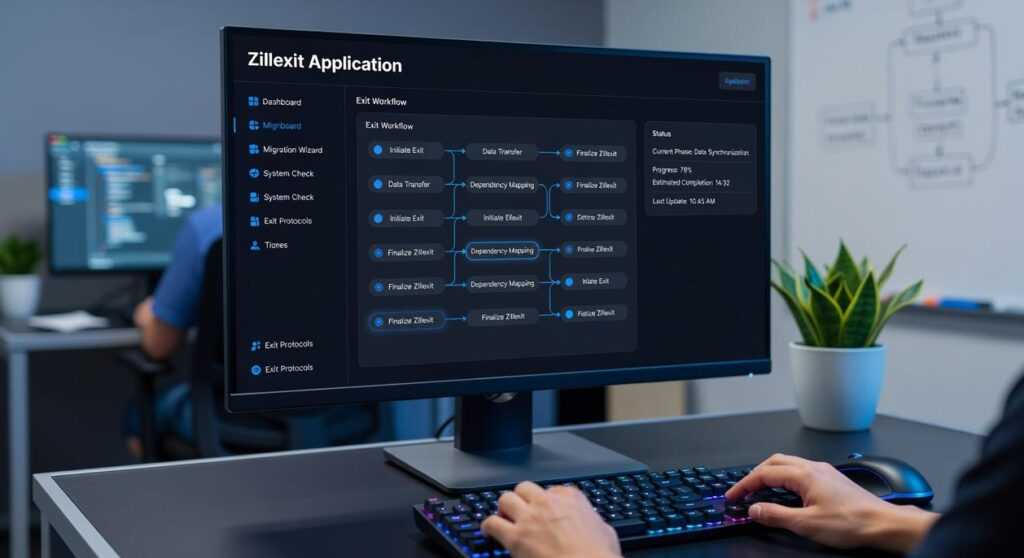
Introduction: Decoding ‘Application’ in the Zillexit Ecosystem
The term Application inside Zillexit software can be confusing. It doesn’t always line up with what you might expect from general software development.
This guide will give you a clear, definitive explanation of what a Zillexit Application is, how it works, and why it’s set up that way.
By the end, you’ll not only understand the term but also feel confident creating and managing Applications within the Zillexit platform.
I promise to demystify this core concept, removing a common roadblock for both new and experienced Zillexit users.
The Official Definition: What Zillexit Calls an ‘Application’
An Application in Zillexit is a self-contained container for a specific business process or workflow.
Think of it like a specialized toolkit. While a Project might be the whole workshop, an Application is the specific toolbox for tasks like ‘plumbing’ or ‘electrical work’.
- Defined Data Source: Each Application has a specific data source.
- User Interface or API Endpoint: It includes a way for users to interact with it, either through a UI or an API.
- Set of Logic or Rules: It comes with predefined rules and logic that govern its behavior.
What Is Application in Zillexit Software? Its primary function is to encapsulate a single, solvable business problem, such as ‘Customer Onboarding’ or ‘Inventory Tracking’.
Pro Tip: When setting up your Zillexit Applications, make sure each one focuses on a distinct, well-defined task. This keeps your workflows organized and efficient.
How Zillexit’s ‘Application’ Differs from a Standard Software App
When you hear the word “application,” you might think of something like Microsoft Word. It’s a complete, standalone program that runs on your computer. But in Zillexit, an ‘Application’ is different.
In Zillexit, an Application is a component within the larger Zillexit environment. Think of it as a building block. Multiple Zillexit ‘Applications’ can exist and interact within a single Zillexit instance. This means they are not standalone; they rely on the Zillexit core platform for execution, security, and data management.
So, here’s the key difference:
- Standard App: Standalone, self-contained, and independent.
- Zillexit ‘Application’: Integrated, dependent on the Zillexit core, and part of a larger system.
This modular approach has its perks. It allows for faster development, easier maintenance, and reusable components for different business needs. If you want to dive deeper, check out What Is Application in Zillexit Software learn more.
The Anatomy of a Zillexit Application: Core Components
Start with an anecdote about how I once had to build a complex application for a client who needed a seamless way to manage their customer support tickets. It was a bit overwhelming at first, but breaking it down into its core components made the process a lot more manageable.
-
Data Models: Every What Is Application in Zillexit Software starts with defining its data. What information will it store and manipulate? For example, you might need to store customer names, product SKUs, and ticket statuses. This step is crucial because it sets the foundation for everything else.
-
User Interfaces (UIs): Once you have your data defined, you need to create the forms, dashboards, and views that allow users to interact with the application’s data. Think about what the user needs to see and do. For instance, a support team might need a dashboard to view all open tickets and a form to update ticket statuses.
-
Logic & Automation: This is where the magic happens. You set up workflows, business rules, and automated processes that execute when a user takes an action. For example, “When a new ticket is submitted, send an email to the support team.” These automations save time and reduce errors.
-
Permissions & Roles: Finally, you need to control who can view, create, or edit data within the application. This is where permissions and roles come in. You might have different levels of access for support agents, managers, and customers. This ensures that everyone sees and does only what they are supposed to.
By focusing on these four key areas, you can build a robust and functional zillexit application. Learn more about Zillexit here.
Application vs. Project vs. Module: A Clear Comparison
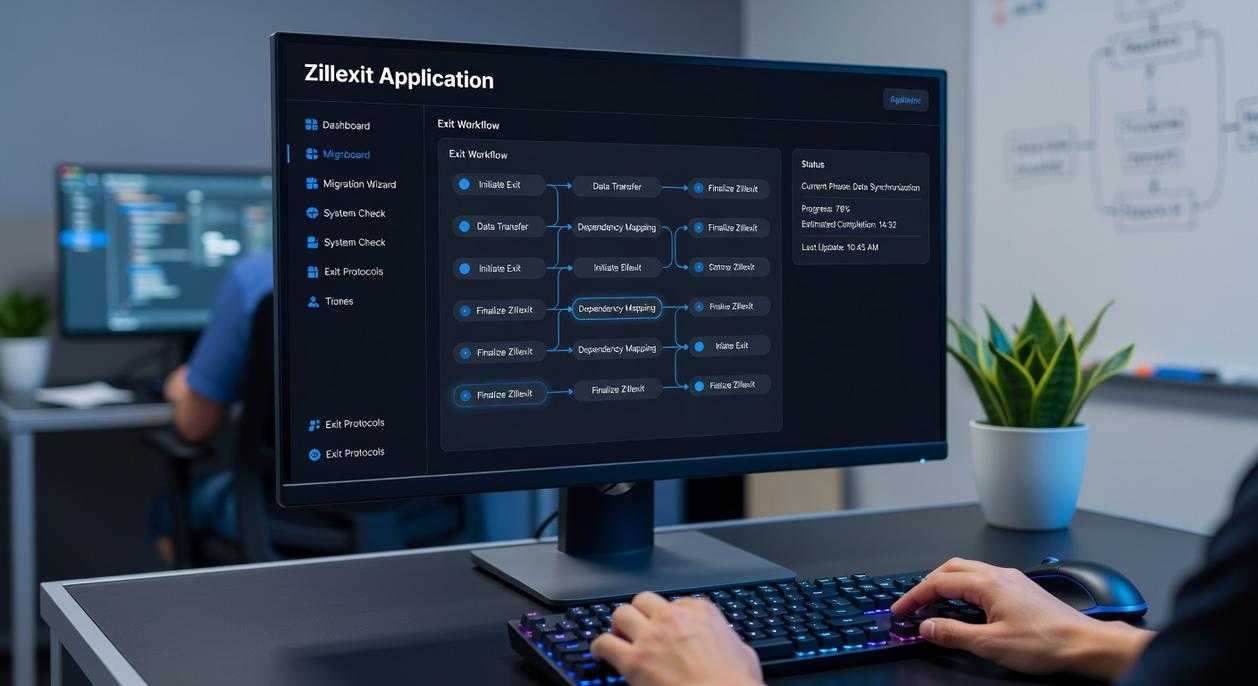
When you’re working in the Zillexit environment, it’s easy to get confused about the terms “Project,” “Application,” and “Module.” Let’s break them down to make things clear.
What Is a Project?
A Project is the highest-level container in Zillexit. It represents a major business initiative. Think of it as the overarching goal or the big picture. For example, “Q3 Sales Platform Overhaul” could be a Project. This Project can contain multiple Applications.
What Is an Application in Zillexit Software?
An Application is a functional unit within a Project. It solves one specific business problem. For instance, within the “Q3 Sales Platform Overhaul” Project, you might have the “Lead Tracking Application” or the “Commission Calculator Application.”
What Is a Module?
A Module is a reusable component, like a specific function or UI element, that can be used across multiple Applications. An example would be an “Address Verification Module,” which can be integrated into both the “Lead Tracking Application” and the “Commission Calculator Application.”
To make the relationship between these terms clearer, here’s a simple hierarchy:
- Project (e.g., Q3 Sales Platform Overhaul)
- Application (e.g., Lead Tracking Application, Commission Calculator Application)
- Module (e.g., Address Verification Module)
Understanding this structure helps you organize your work more effectively and ensures everyone on your team is on the same page.
Practical Use Cases: What Constitutes an ‘Application’ in the Real World
Let’s move from theory to concrete examples to solidify your understanding. Here are three real-world applications and what makes them tick.
Example 1: A ‘Bug Tracker’ Application
- Data Model: Bug ID, Description, Status, Assignee
- UI: Form to submit a new bug, dashboard to view all open bugs
- Logic: Notify assignee when a new bug is created
Example 2: An ‘Employee PTO Request’ Application
- Data Model: Employee Name, Dates Requested, Approval Status
- UI: Calendar view, request submission form
- Logic: Route request to manager for approval
Example 3: A ‘Simple CRM’ Application
- Data Model: Contact Name, Company, Last Contacted Date
- UI: A searchable list of contacts
- Logic: Create a follow-up task if ‘Last Contacted Date’ is over 30 days ago
These examples show how different components—data models, user interfaces, and logic—work together to create functional applications.
When you’re building or using an application, think about these elements. What data do you need? How will users interact with it? What actions should the system take automatically?
If you’re working with Zillexit Software, make sure to check out testing in zillexit software for more detailed insights. Testing is CRUCIAL to ensure your application works as expected.
Remember, the key is to keep it simple and focused. Start with the basics and build from there.
Mastering the Core Concept of Zillexit Applications
You now have a complete and practical understanding of the term Application within Zillexit. The confusion often arises from the difference between Zillexit’s specific, modular definition and the broader industry term. By thinking of Applications as self-contained ‘solution toolkits’ for individual business problems, you can build more organized, scalable, and maintainable systems in Zillexit.
Now, it’s time to apply this knowledge. Outline your next business process and build it as your first (or next) Zillexit Application.
 Christopher Crick is a valued helper at The Code Crafters Hub, where he plays a crucial role in building and enhancing the platform. With a keen eye for detail and a deep understanding of software development, Crick has been instrumental in refining the site's features and ensuring that it delivers top-notch content to its users. His contributions range from technical support to content development, helping to shape the hub into a premier resource for software professionals and enthusiasts.
As a dedicated team member, Crick's efforts are focused on maintaining the high standards that The Code Crafters Hub is known for. His expertise in various aspects of technology ensures that the platform remains up-to-date with the latest advancements and trends. Located in Warren, MI, Crick's commitment to excellence supports the hub's mission to provide valuable insights into web development, game development, IoT, and cybersecurity.
Christopher Crick is a valued helper at The Code Crafters Hub, where he plays a crucial role in building and enhancing the platform. With a keen eye for detail and a deep understanding of software development, Crick has been instrumental in refining the site's features and ensuring that it delivers top-notch content to its users. His contributions range from technical support to content development, helping to shape the hub into a premier resource for software professionals and enthusiasts.
As a dedicated team member, Crick's efforts are focused on maintaining the high standards that The Code Crafters Hub is known for. His expertise in various aspects of technology ensures that the platform remains up-to-date with the latest advancements and trends. Located in Warren, MI, Crick's commitment to excellence supports the hub's mission to provide valuable insights into web development, game development, IoT, and cybersecurity.